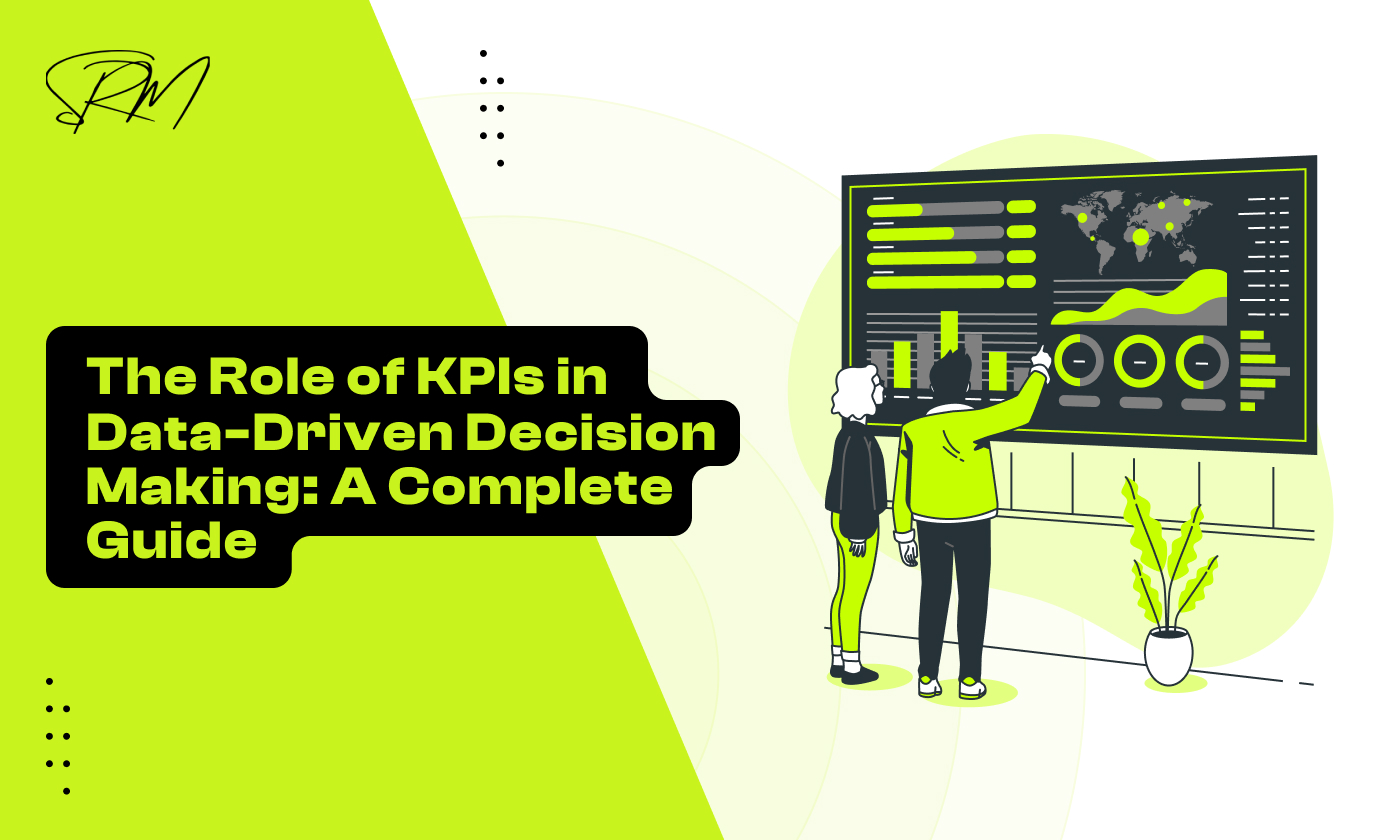
The Role of KPIs in Data-Driven Decision Making: A Complete Guide
1. Introduction: Why KPIs Matter in Today’s Data-Driven World
In today’s fast evolving digital environment, businesses rely heavily on data to make smarter and faster decisions. With so much data available from different sources, it becomes difficult to understand what truly matters for growth. This is where KPIs, also known as Key Performance Indicators, play a powerful role. They help you focus on the most important numbers that show how well your business or project is progressing.
KPIs act like a clear roadmap. Instead of guessing, companies can track specific indicators that reveal what is working and what needs improvement. By doing this, teams can stay aligned with business goals, avoid distractions, and make confident decisions backed by data. When used properly, KPIs turn raw information into useful insights that support real results.
Today, almost every organization wants to become data driven. However, data has no meaning without a proper structure. KPIs bring this structure by connecting daily actions to long term objectives. They help you measure performance, evaluate strategies, and predict future outcomes based on real evidence. This makes KPI tracking one of the most important foundations for effective decision making.
Whether you are analyzing customer behavior, improving business operations, or planning future initiatives, KPIs help you stay focused on what truly matters. They provide clarity, help reduce risks, and guide you towards smarter decisions in a world where data grows every single day.
Table of Contents
2. What Are KPIs? Difference Between KPIs, Metrics, and Targets
KPIs, also known as Key Performance Indicators, are the most important numbers that show whether your business or project is moving in the right direction. Think of them as clear signals that help you understand what is working, what is not working, and where you need to improve.
KPIs are usually connected to your main business goals. For example, if your goal is to increase sales, your KPI could be monthly revenue or the number of new customers. If your goal is to improve customer satisfaction, your KPI might be your average rating or response time.
The best part is that KPIs remove guesswork. Instead of making decisions based on feelings or assumptions, you get to track real numbers that show actual performance. When these numbers go up or down, you can quickly take action and make smarter decisions.
KPIs are simple, focused, and measurable numbers that guide you toward better results and stronger business growth. They help everyone stay aligned and work toward the same objective with clarity and confidence.
Difference Between KPIs, Metrics, and Targets
When people start working with data, they often get confused between KPIs, metrics, and targets. These three terms look similar, but they play very different roles in decision making. Understanding the difference helps you track performance correctly and avoid mistakes while analysing results.
KPIs (Key Performance Indicators)
KPIs are the most important performance measurements in a business. They show whether you are moving in the right direction. KPIs are directly connected to business goals. If the goal is to grow revenue, the KPI could be monthly recurring revenue or customer acquisition cost.
Metrics
Metrics are general measurements that support and explain your KPIs. They are helpful but not always critical to business success. A metric can be anything you track, like website visits, email open rate, or the number of customer calls attended. All KPIs are metrics, but not all metrics are KPIs.
Targets
Targets are the specific numbers you want to achieve. They give direction and help teams stay focused. If your KPI is monthly recurring revenue, your target could be 50,000 dollars per month. Targets make KPIs measurable and help track progress clearly.
Together, KPIs, metrics, and targets create a complete picture of performance. KPIs tell you what matters most, metrics help you understand why things are moving in a certain direction, and targets show where you want to be.
| Item | Meaning | Purpose | Example |
| KPI | A key measurement linked to a business goal | Shows if you are achieving your most important goals | Monthly recurring revenue |
| Metric | A general measurement that supports KPIs | Helps explain performance and provide details | Website traffic or email open rate |
| Target | A specific number you want to achieve | Gives direction and sets expectations | Reach 50,000 dollars in monthly revenue |
3. Why KPIs Are Important for Smarter Business Decisions
KPIs are important because they give you a clear picture of what is working in your business and what needs improvement. Instead of guessing or relying on opinions, KPIs give you real numbers that show the actual performance. This helps every team move in the right direction.
KPIs also help leaders understand if their strategies are giving results. For example, if your goal is to increase website traffic, KPIs like unique visitors, bounce rate, and session duration show whether your efforts are effective or not. With these insights, decision makers can confidently choose what to continue, what to change, and what to stop.
Another reason KPIs matter is because they make goal setting easier. When you track the right KPIs, you can see progress clearly and set realistic expectations. KPIs also help identify problems early. If you notice a sudden drop in sales or customer engagement, KPIs highlight the issue quickly so that you can take action before it grows.
Overall, KPIs allow businesses to make decisions based on facts, not assumptions. They bring clarity, remove confusion, and help every department stay aligned with the main business goals. When your decisions are driven by accurate data, you move closer to growth, efficiency, and long term success.
4. Types of KPIs Every Business Should Know
KPIs come in different forms, and each type helps a business understand performance from a different angle. When you know the right type of KPI to track, you can make faster and smarter decisions. Below are the most important categories every business should understand. These KPI types also help teams stay aligned with business goals and avoid tracking unnecessary numbers. Understanding the right category ensures that every KPI you choose has a clear purpose. It also helps you build a balanced dashboard that shows both short-term performance and long-term business health.
4.1 Strategic KPIs
Strategic KPIs focus on long term goals. These KPIs help leadership understand if the company is moving in the right direction. They do not change very often and usually connect directly with the overall business strategy.
Examples:
- Revenue growth rate
- Market share
- Customer lifetime value
- Profit margin
- Brand awareness
Strategic KPIs are big picture indicators that tell you how the business is performing at the highest level.
4.2 Operational KPIs
Operational KPIs measure short term performance. They focus on daily activities, processes, and efficiency. These KPIs help managers understand what is working and what needs improvement right now.
Examples:
- Production speed
- Website loading time
- Daily sales numbers
- Average response time
- Inventory turnover
Operational KPIs are perfect for spotting quick wins and fixing issues fast.
4.3 Leading vs Lagging KPIs
KPIs come in different forms, and each type helps a business understand performance from a different angle. When you know the right type of KPI to track, you can make faster and smarter decisions. Below are the most important categories every business should understand.
These categories also help teams avoid confusion and pick the right KPI for each goal. When KPIs are selected correctly, they give a more accurate picture of business health. This makes planning easier and reduces the chances of making decisions based on assumptions.
Leading KPIs
Leading KPIs predict future performance. They show what is likely to happen if current trends continue. These are forward looking indicators.
Examples:
- Number of qualified leads
- Customer inquiries
- Website traffic growth
- New trial sign ups
Leading KPIs help companies take action before problems occur.
Lagging KPIs
Lagging KPIs show past performance. They tell you what has already happened. These are backward looking indicators.
Examples:
- Total revenue
- Customer churn
- Final sales numbers
- Profit for the month
Lagging KPIs are useful for measuring the results of your previous actions.
Strategic KPIs vs Operational KPIs vs Leading KPIs vs Lagging KPIs
| KPI Type | Focus | Time Frame | Purpose | Examples |
| Strategic KPIs | Long term goals | Months or years | Track overall business success | Revenue growth rate, market share |
| Operational KPIs | Daily performance | Daily or weekly | Improve processes and efficiency | Response time, inventory turnover |
| Leading KPIs | Predict future outcomes | Real time or short term | Take early action | Leads, sign ups, website traffic |
| Lagging KPIs | Measure past results | Monthly or quarterly | Evaluate performance | Revenue, churn rate, total sales |
5. How KPIs Support Data-Driven Decision Making
KPIs play a powerful role in helping businesses move away from guesswork and focus on decisions backed by reliable data. When teams consistently track the right KPIs, they understand what is working, what needs improvement, and where future opportunities lie. KPIs act like a clear guide that helps leaders take actions based on facts instead of assumptions, which improves performance and reduces risk in every area of business.
5.1 Turning raw data into actionable insights
Raw data on its own is just numbers and information. KPIs help transform this data into meaningful insights that show the real picture of business performance. Instead of looking at thousands of data points, KPIs highlight the few critical indicators that truly matter. This allows businesses to quickly identify patterns, spot issues, and understand the impact of their decisions. With KPIs, even complex data becomes easier to read, easier to interpret, and easier to act on. This makes decision-making faster, clearer, and more accurate.
5.2 Connecting KPIs to business goals
KPIs make business goals measurable and practical. For example, if a company wants to increase sales, it can track KPIs like conversion rate, customer acquisition cost, or average order value. When KPIs are linked to goals, teams know exactly what they need to improve and how success will be measured. This connection helps everyone stay aligned and work in the same direction. It also becomes easier to check progress, identify gaps, and adjust strategies when needed. With clear KPIs, business goals stop being vague ideas and become achievable targets backed by data.
5.3 Making decisions based on trends and patterns
KPIs allow businesses to identify trends over time instead of reacting to one-time results. When you track KPIs regularly, you can see if performance is improving, declining, or staying the same. These patterns help businesses predict what might happen next and prepare better strategies. For example, if your sales KPI drops every year in a specific month, you can plan marketing or discounts in advance. Data trends also help spot early warning signs before a problem becomes bigger. By understanding these patterns, businesses can take smarter decisions that are proactive, not reactive.
6. How to Choose the Right KPIs for Your Business
Choosing the right KPIs is essential for ensuring that your business focuses on the metrics that truly matter. Not all KPIs are created equal, and selecting the wrong ones can lead to wasted effort, poor decisions, and misleading insights. By understanding your goals, selecting measurable indicators, and avoiding vanity metrics, you can ensure your KPIs provide actionable guidance for growth and performance.
6.1 Understanding Your Goals
Before selecting KPIs, it is essential to have a clear understanding of your business goals. KPIs work best when they reflect the outcomes you are trying to achieve. Without clarity on objectives, you may end up tracking metrics that are irrelevant or misleading. A well-defined goal ensures that your KPIs provide meaningful insights and guide your team toward measurable success.
- Define Clear Objectives: The first step in selecting the right KPIs is to clearly define your business objectives. Are you looking to increase revenue, improve customer satisfaction, or streamline operations?
- Align KPIs with Goals: Every KPI should align directly with these goals so that your data reflects meaningful progress.
- Focus on Impactful Metrics: For example, if your goal is to enhance customer satisfaction, KPIs like Net Promoter Score (NPS), customer complaints resolved, or average response time are far more valuable than simply tracking the number of support tickets.
- Guide Team Efforts: Understanding your goals ensures that your KPIs provide a clear picture of success and guide your team toward outcomes that matter most.
6.2 Selecting Measurable Indicators
Choosing measurable indicators is crucial because it ensures that your KPIs are actionable and based on concrete data. Measurable KPIs allow you to track progress objectively, set realistic targets, and evaluate performance over time. Without measurable metrics, it is difficult to determine whether your efforts are producing results or just creating noise. By focusing on clear, quantifiable indicators, businesses can make data-driven decisions with confidence and accuracy.
- Choose Quantifiable Metrics: KPIs should be measurable and based on reliable data sources, allowing you to track progress objectively.
- Set Specific Targets: Instead of tracking vague metrics like “improve sales,” focus on measurable KPIs such as monthly revenue growth, average deal size, or sales conversion rate.
- Monitor Trends and Performance: Measurable KPIs allow you to set benchmarks, monitor trends over time, and evaluate performance accurately.
- Support Decision-Making: Concrete numbers make it easier to report to stakeholders and make informed business decisions.
6.3 Avoiding Vanity Metrics
Not all metrics provide real value. Vanity metrics are numbers that may look impressive but do not directly impact your business goals. Examples include total website visits, social media likes, or email opens without context. While these figures might show activity, they do not reveal whether your business is achieving meaningful results. Focusing on actionable KPIs ensures that every metric tracked contributes to decision-making and growth. By avoiding vanity metrics, businesses can prioritize insights that drive real outcomes and maintain a data-driven culture.
7. The Role of Technology and Analytics Tools in KPI Tracking
Technology has transformed the way businesses track and analyze KPIs. Manual tracking is no longer efficient or accurate in today’s fast-paced environment. Advanced analytics tools, dashboards, and AI-driven solutions make KPI tracking faster, more precise, and actionable. By leveraging technology, businesses can gain real-time insights, identify trends early, and make smarter decisions based on data rather than intuition.
7.1 BI Tools
Business Intelligence (BI) tools are powerful software solutions that help organizations collect, analyze, and visualize KPI data in one place. Tools like Power BI, Tableau, and Looker allow businesses to integrate data from multiple sources, perform advanced analysis, and generate reports automatically. BI tools not only make tracking KPIs easier but also provide deep insights into performance trends, enabling managers to make informed decisions quickly. By centralizing KPI data, BI tools help ensure accuracy, consistency, and accessibility across teams.
7.2 Dashboards
Dashboards are visual displays of KPIs that provide a real-time overview of business performance. They transform complex data into easy-to-read charts, graphs, and tables, making it simple for decision-makers to monitor progress at a glance. Customizable dashboards allow teams to focus on the most relevant KPIs, compare current performance against targets, and identify areas that need attention. Whether it’s sales dashboards, marketing dashboards, or operational dashboards, they ensure that insights are always available when and where they are needed.
7.3 AI and Predictive Analytics
Artificial Intelligence (AI) and predictive analytics take KPI tracking to the next level by forecasting future trends and outcomes. AI algorithms analyze historical data to identify patterns and predict potential performance changes. For example, predictive analytics can forecast sales, customer churn, or inventory requirements, helping businesses make proactive decisions. By combining AI with KPI tracking, companies can move from reactive management to predictive and strategic planning, reducing risks and increasing overall efficiency.
8. Common KPI Mistakes and How to Avoid Them
Tracking KPIs can provide tremendous insights, but many businesses make mistakes that reduce their effectiveness. Recognizing these common KPI mistakes and knowing how to avoid them is essential for maintaining a strong, data-driven strategy.
Mistake 1: Tracking Too Many KPIs
Focusing on too many KPIs can overwhelm teams and dilute attention from the metrics that truly matter. When every metric is tracked, it becomes harder to prioritize actions and identify trends.
How to Avoid: Choose 5–10 key KPIs that align with your most important business goals. Focus on quality over quantity and regularly review which KPIs provide meaningful insights.
Mistake 2: Using Irrelevant or Vanity Metrics
Vanity metrics, such as total website visits or social media likes without context, may look impressive but do not indicate real business performance. These metrics can create a false sense of progress.
How to Avoid: Select KPIs that are directly tied to your objectives and provide actionable insights. For example, track conversion rate instead of just page views if your goal is revenue growth.
Mistake 3: Ignoring Data Quality
Poor or inconsistent data leads to misleading KPIs, resulting in bad decisions. If data is inaccurate, outdated, or incomplete, KPI tracking becomes unreliable.
How to Avoid: Ensure your data sources are clean, consistent, and up-to-date. Implement regular audits to maintain data accuracy and reliability.
Mistake 4: Not Reviewing KPIs Regularly
KPIs are dynamic and should evolve as business goals change. Many organizations set KPIs once and forget about them, which can lead to irrelevant or outdated tracking.
How to Avoid: Schedule regular reviews of KPIs to ensure they still align with your objectives. Adjust targets or metrics as your business grows or strategies shift.
Mistake 5: Failing to Communicate KPI Insights
Even the best KPIs are useless if insights are not communicated effectively. Teams may track data but fail to act on it due to lack of understanding or visibility.
How to Avoid: Use dashboards, reports, and regular meetings to share KPI results clearly with all relevant stakeholders. Provide context to explain why the metrics matter and how teams can act on them.
9. Real-World Examples of KPIs Used in Different Industries
KPIs vary across industries because each business function measures performance differently. Understanding how KPIs are applied in real-world scenarios can help you select the right metrics for your organization. Below are some examples across key business areas:
9.1 Marketing
Marketing KPIs help measure the effectiveness of campaigns and customer engagement. Common marketing KPIs include:
- Conversion Rate: Percentage of visitors who take a desired action, such as signing up or making a purchase.
- Customer Acquisition Cost (CAC): The cost spent to acquire a new customer.
- Return on Marketing Investment (ROMI): Revenue generated compared to marketing spend.
- Website Traffic & Engagement: Monitors user behavior, session duration, and bounce rate to evaluate campaign performance.
Marketing teams use these KPIs to optimize campaigns, allocate budgets efficiently, and improve overall ROI.
9.2 Sales
Sales KPIs focus on revenue generation and team performance. Common examples include:
- Monthly Sales Growth: Measures the increase in sales over a month.
- Sales Conversion Rate: Percentage of leads that turn into paying customers.
- Average Deal Size: The average revenue generated per closed deal.
- Sales Cycle Length: Average time taken to close a deal.
Tracking these KPIs helps sales teams identify bottlenecks, forecast revenue, and improve overall efficiency.
9.3 Finance
Finance KPIs track the financial health of a business. Key KPIs include:
- Gross Profit Margin: Indicates the percentage of revenue left after cost of goods sold.
- Operating Cash Flow: Measures the cash generated from operations.
- Return on Assets (ROA): Shows how efficiently assets are generating profit.
- Budget Variance: Compares actual spending against planned budgets.
These KPIs guide financial planning, risk management, and strategic investment decisions.
9.4 Operations
Operational KPIs measure efficiency, productivity, and process performance. Examples include:
- Inventory Turnover: How quickly inventory is sold and replaced.
- Order Fulfillment Time: Average time to process and deliver orders.
- Production Efficiency: Output per unit of input or time.
- Downtime or Error Rates: Measures disruptions or defects in operations.
Operations teams use these KPIs to optimize workflows, reduce costs, and improve overall performance.
9.5 Human Resources (HR)
HR KPIs focus on employee performance, engagement, and retention. Common examples are:
- Employee Turnover Rate: Percentage of employees leaving the organization over a period.
- Time to Hire: Average duration to fill a job vacancy.
- Employee Engagement Score: Measures employee satisfaction and motivation.
- Training Completion Rate: Percentage of employees completing training programs successfully.
HR teams rely on these KPIs to enhance workforce management, reduce attrition, and boost productivity.
10. How to Build a KPI Framework for Continuous Improvement
A KPI framework provides structure and clarity to how a business measures and improves performance. It ensures that all KPIs are aligned with strategic goals, monitored consistently, and used to drive actionable insights. Building a framework for continuous improvement allows organizations to not only track progress but also refine processes and make data-driven decisions that lead to sustainable growth.
Step 1: Define Clear Objectives
Before selecting KPIs, clearly outline your business objectives. Identify what success looks like for your organization in both the short and long term. Objectives should be specific, measurable, achievable, relevant, and time-bound (SMART). This ensures that your KPIs focus on outcomes that truly matter rather than tracking irrelevant data.
Step 2: Identify Key Metrics
Choose KPIs that accurately reflect progress toward your objectives. Consider both quantitative metrics, such as revenue growth or customer churn rate, and qualitative indicators, like customer satisfaction or employee engagement. Ensure each KPI is measurable, actionable, and tied to a specific goal. Avoid tracking metrics that don’t directly contribute to decision-making.
Step 3: Set Benchmarks and Targets
Establish benchmarks based on historical performance, industry standards, or competitor analysis. Define clear targets for each KPI to provide context and a standard for success. This allows teams to quickly identify whether performance is on track or requires corrective action. Targets also motivate employees and provide a clear focus for continuous improvement.
Step 4: Implement Monitoring Tools
Use dashboards, BI tools, or analytics software to monitor KPIs in real time. Automated tools make it easier to collect data consistently, detect trends, and generate reports. Regular monitoring ensures that deviations from expected performance are identified early, enabling timely interventions.
Step 5: Review, Analyze, and Adjust
Continuous improvement relies on regular review of KPI results. Analyze trends, identify areas of underperformance, and investigate the root causes. Use insights to adjust strategies, refine processes, and improve operational efficiency. A strong KPI framework is dynamic, evolving as business goals and market conditions change.
Step 6: Communicate Results Across Teams
Sharing KPI insights with all relevant stakeholders fosters accountability and alignment. Visual dashboards, reports, and team meetings help ensure that everyone understands performance metrics and how their actions contribute to organizational success. Transparent communication encourages collaboration and drives a culture of continuous improvement.
11. Conclusion: Moving Toward a Stronger Data-Driven Culture
KPIs are more than just numbers on a report; they are essential tools for driving a data-driven culture within any organization. By selecting the right KPIs, aligning them with business goals, and monitoring them consistently, businesses can transform raw data into actionable insights. A strong KPI strategy ensures that teams make informed decisions, identify opportunities for improvement, and measure the real impact of their actions.
Embracing a data-driven culture means integrating KPI tracking into daily operations, fostering accountability, and encouraging teams to rely on evidence rather than intuition. With technology, dashboards, and analytics tools, businesses can gain real-time visibility into performance, anticipate trends, and respond proactively to challenges.
Ultimately, organizations that prioritize KPIs and data-driven decision-making are better positioned to achieve sustainable growth, enhance efficiency, and maintain a competitive edge. Moving toward a data-driven culture is not just about tracking metrics; it is about creating a mindset where decisions are guided by insights and continuous improvement becomes part of the company’s DNA.

December 9, 2025
How Clothing & D2C Brands Can Use AI...
December 9, 2025